



Dry vs Dehydrated Skin: What’s the Difference (and Why It Matters)
Ever wonder if your skin is dry or just dehydrated? Or both? You're not alone. These two concerns often get used interchangeably, and it makes sense, since both can leave your skin feeling tight and easily irritated. But here's the thing: dry skin and dehydrated skin are actually two different concerns, each with their own unique needs. Figuring out which one you're dealing with can be tricky, which is why so many people find themselves searching "dry vs. dehydrated skin" when the tightness, flaking, or dullness sets in.
In this guide, we're breaking down how to tell if you have dry or dehydrated skin, what causes each, and how to support your skin accordingly.
Dry Skin vs Dehydrated Skin (Simply Put)
So, what exactly is the difference between dry and dehydrated skin? Dry skin is a skin type (other skin types include oily, normal, combination, and sensitive skin) where the skin doesn’t naturally produce enough oil (a.k.a. lipids). Because of that, the skin barrier has trouble locking in hydration and keeping out environmental aggressors. Dehydrated skin, on the other hand, is a temporary skin condition where there’s not enough water (a.k.a. hydration) in the uppermost layer of the skin. Any skin type can become dehydrated, even oily skin.
It’s important to know the difference between dry and dehydrated skin because it helps you determine which products to reach for that’ll actually help to support your skin. You’ll know what your skin is missing—either oils or water—and be able to select the right formulas.
Signs of Dry Skin
Some signs you might have dry skin include rough texture, dullness, a feeling of tightness, and flakiness. Your skin might feel sensitive and be more prone to redness or irritation. You may notice that fine lines look more pronounced. Because dry skin is a skin type, it’s more of a consistent state than a situational one.
What Causes Dry Skin?
Genetics can make some people naturally produce less oil, causing dry skin. Aging is another cause of dry skin; as you get older, oil production slows down. Cold weather, dry climates, super hot showers, hormonal changes, and barrier disruption from overexfoliating or drying skincare products can also lead to dry skin.
Signs of Dehydrated Skin
When your skin is dehydrated, it can look dull and feel tight, itchy, or suddenly more reactive, even if it still looks oily. Another way to know if your skin is dehydrated? Do the pinch test. Gently pinch the skin on your cheek (or forearm), hold it for three seconds, then let go. If it doesn’t immediately bounce back down, you might be dehydrated. The good news is that dehydration is often temporary and can be improved with proper hydration and skincare.
What Causes Dehydrated Skin?
Dehydrated skin comes down to the fact that your skin is losing more water than it’s holding onto. There’s a lot of reasons why this could happen: cold or dry weather, low humidity, indoor heating, or air conditioning. Overdoing it with strong active ingredients (like acids or retinoids) or using harsh cleansers can also strip your skin. Even lifestyle factors, like not drinking enough water or stress, can play a role.
Dehydrated skin isn’t just a dry skin issue; it can affect all skin types, including oily.
Managing Dry Skin: Supporting the Skin Barrier Long-Term
Managing dry skin isn’t just about adding a quick hit of hydration. Because dry skin lacks lipids, it benefits from richer, more nourishing products formulated with barrier-supporting ingredients, like glycerin, urea, and ceramides, that help lock in moisture and prevent water loss over time. With consistent use, these formulas support the skin barrier, leaving it feeling more comfortable and resilient.
How to Support Dehydrated Skin Without Overcorrecting
If you're dealing with dehydrated skin, the goal is to bring water back in without overwhelming your skin. Instead of jumping straight to heavy moisturizers, focus on layering lightweight, hydrating formulas with humectants like hyaluronic acid and glycerin to help attract moisture to the skin.
It’s also important to keep your skincare routine gentle. Hit pause on any harsh cleansers or actives, and opt for products with soothing, calming ingredients instead.
What This Looks Like in Practice: Dieux Products for Dry & Dehydrated Skin
Figuring out what your skin needs can be tricky, but Dieux makes it easy. Some formulas focus on boosting hydration with lightweight ingredients, while others focus on nourishing the skin with rich, barrier-supporting ingredients. The best part, though, is that Dieux’s products are designed to layer together, so you can give your skin both the hydration and nourishment it’s asking for.
Dieux Products That Support Dry and Dehydrated Skin
Richer, barrier-supporting formulas are a game-changer for dry skin because they replenish the lipids your skin naturally loses. Dieux’s Instant Angel is formulated with ceramides and squalane, ingredients that lock in hydration and support the skin barrier, keeping skin soft and comfortable without feeling heavy. You’ll also find humectants in the formula, including glycerin and urea, which hydrate and plump the skin, making it a great option for dehydrated skin, too.
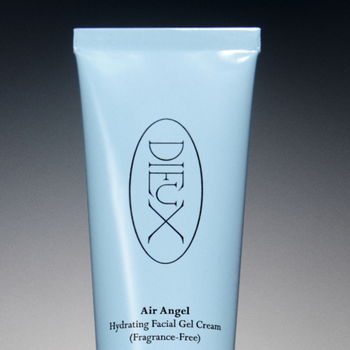
Lightweight, hydration-first formulas are perfect for supporting dehydrated skin without weighing it down. Packed with humectants like glycerin, Dieux’s Air Angel Hydrating Gel Cream and Auracle Eye Serum work to plump the skin and deliver lightweight hydration, leaving it more balanced over time.
Whether you have dry or dehydrated skin, you may want to consider adding Dieux’s Deliverance 3-In-1 Repair Serum. It’s formulated with antioxidants to help calm skin and soothe irritation, plus niacinamide, an ingredient that works to improve skin texture while supporting the skin barrier.
FAQs
How do I know if I have dry skin or dehydrated skin?
Dry skin is a skin type where your skin is naturally lacking oil, so it often feels tight, rough, or flaky. Dehydrated skin is a temporary condition where the skin is lacking water causing your skin to look dull, feel tight, and be more sensitive. It can affect any skin type, even oily skin.
How do you manage dry skin on the face?
Opt for rich moisturizers formulated with lipids, like ceramides, to lock in moisture and support the skin barrier. Keep your skincare routine gentle by avoiding harsh cleansers and actives. With consistent care, your skin will feel more comfortable over time.
How do you manage dry skin around the eyes?
The skin around your eyes is extra delicate, so dry patches need gentle, nourishing care. Use a rich eye cream or serum with soothing, hydrating ingredients like glycerin and barrier-supporting ingredients like ceramides to lock in moisture without causing irritation.
Is dry skin a sign of dehydration?
Not necessarily—dry skin and dehydrated skin aren’t the same. Dry skin is a skin type that lacks oil, while dehydration is a temporary lack of water in the skin, which can happen to any skin type. So your skin can feel tight or flaky because it’s dry, dehydrated, or sometimes both at once.
Dry vs Dehydrated Skin, Without the Guesswork
Dry and dehydrated skin aren’t the same, but managing both comes down to figuring out what your skin actually needs. Supporting the barrier, staying consistent, and responding to possible stressors, like weather or harsh products, makes all the difference. That’s really at the heart of Dieux’s approach to skincare: build skin literacy, stay consistent, and adjust based on what your skin is going through in real life.
As always, you’re Dieux-ing great.
Similar Posts
-

School is back in session. To stay engaged and curious, children’s basic needs have to be met.
-

Ceramides do more than just hydrate your skin. Discover the truth behind the hype for this popular skincare ingredient.
-

Everything you need to know about retinoids—the different types, their benefits, how they work, and how to use them in your routine.


