



Skin Types: How to Find Out Yours & Build a Skincare Routine For It
“What’s my skin type?” sounds like a question that should have a simple answer…until you actually try to figure it out. One quiz says you’re oily, another says combination, and suddenly you’re side-eyeing your T-zone like it’s keeping secrets.
If that experience feels familiar, you’re not alone. This is one of the most searched (and most confusing) skincare questions out there, and part of the reason why it can feel so complicated is how it’s framed. Skin types are often treated as fixed labels, but in reality, your skin can shift with the seasons, your environment, your hormones, and even your stress levels. Instead, you should think of your skin type as a starting point; it’s a way to understand how your skin behaves at a moment in time, so you can work with it, not against it.
In this guide, we’ll explain what a skin type even is, how you can figure yours out, and how to curate a routine that makes sense for your skin.
The 5 Main Types of Skin (A Quick Breakdown)
Skin types are just a way to describe how your skin behaves. Think: oil production, hydration levels, and how reactive your skin tends to be. And yes, this can change with weather, hormones, or even a new routine.
It’s okay if you don’t fit perfectly into one box. The goal isn’t to label your skin perfectly, but to understand its patterns so you can treat it accordingly.
Oily Skin – Excess Shine, Enlarged Pores, Makeup Breakdown
Oily skin simply means your skin produces more sebum (natural oil). When your skin makes too much sebum, your face can look shiny and feel greasy, especially in the T-zone (forehead, nose, and chin). That extra oil can clog pores, leading to things like blackheads, larger-looking pores, and breakouts. Your skin might feel slick or greasy to the touch, and you may notice that your makeup tends to slide or fade faster than you’d like. For oily skin, you’ll want to consider adding Deliverance 3-in-1 Repair Serum into your routine. It’s formulated with niacinamide, an ingredient that has been found to regulate oil production in the skin while also supporting healthy barrier function.
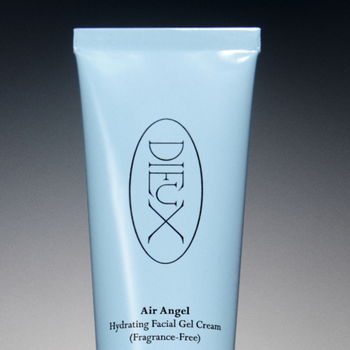
FYI: Oily skin can still be dehydrated. Dehydration means your skin is losing more water than it’s holding on to, which can happen to any skin type. When your skin barrier is off (from over-cleansing or using harsh products), not only can dehydration occur, but your skin may produce even more oil to compensate. So if things feel extra greasy and tight or dull at the same time, your skin might be asking for hydration in the form of a lightweight moisturizer like Air Angel. With an ingredient list that includes glycerin, peptides, and amino acids, it floods skin with hydration that lasts.
Dry Skin – Tightness, Flaking, Dullness
Dry skin means your skin isn’t producing enough oil (lipids), not that it’s lacking water, which can lead to tightness, rough texture, and visible flaking. Dry skin might feel uncomfortable, especially after cleansing, and it can look a little dull because of a lack of natural lipids in the skin. Instant Angel would be a great addition to a skincare routine for dry skin. Thanks to a blend of fatty acids, ceramides, glycerin, urea, and more, the rich-but-never-greasy moisturizer delivers lasting hydration while also working to reinforce the skin’s barrier.
A quick but important distinction: Dry skin and dehydrated skin aren’t the same thing. Dry skin is a skin type where the skin doesn’t naturally produce enough oil, and dehydrated skin is a temporary condition where there’s not enough water in the uppermost layer of the skin.
Combination Skin – Oily T-Zone, Dry or Normal Elsewhere
Combination skin is exactly what it sounds like—your skin behaves differently in different areas. Most often, the T-zone (forehead, nose, and chin) tends to be oilier, while the cheeks feel more normal or even a bit dry.
It’s one of the most common skin types, and it can be a little tricky at first because one-size-fits-all routines don’t always work. The key is balance. Treat different areas based on what they need, rather than using the same approach across your entire face. This might involve layering moisturizers or using certain serums only on specific areas of your face.
“Normal” Skin – Balanced, Minimal Concerns
Normal skin is basically skin that feels balanced. It’s not too oily, not too dry, and generally pretty low-maintenance. You might still get the occasional breakout or dry patch, but nothing that feels constant or hard to manage.
It’s not “perfect skin,” just skin that’s functioning well and staying relatively steady. And even then, it still benefits from the basics: keeping your skin barrier healthy with a lightweight moisturizer, staying consistent with your routine, and not overcomplicating things.
Sensitive Skin – Reactive, Prone to Redness or Irritation
Sensitive skin is less about oil levels and more about how reactive your skin is. Common signs include redness, stinging, itching, or irritation that shows up a little too easily when you try a new product or your environment shifts. To soothe sensitive skin, you might want to try out Skin Mercy Recovery Cream. It’s formulated with 1% colloidal oatmeal to help calm and support irritated, sensitive skin. FYI: even though it's technically its own skin type, it’s possible for other skin types to experience sensitivity.
How to Find Out Your Skin Type at Home
You don’t need any fancy tools to figure out your skin type. Instead of guessing, you’re observing how your skin behaves and reacts to cleansing. There are two popular methods you can do at home to determine what type of skin you have.
1. Watch and Wait
Wash your face with a gentle cleanser, then pat it dry. After 30 minutes, take a close look at your skin in a mirror. If it appears shiny all over, you likely have oily skin. Rough, flaky, or tight-feeling skin usually indicates dry skin. If shine is mainly in your T-zone, you probably have combination skin. If your skin feels hydrated and balanced, you likely have normal skin. If your skin feels itchy, irritated, or looks red, you might be dealing with sensitive skin.
2. Blotting Sheets
Blotting sheets absorb oil when pressed against the skin, and you can use them to help identify your skin type. To try this simple method, wash your face, pat it dry, and wait 30 minutes. Then press blotting sheets to different areas of your face and hold them up to the light to check for oil marks.
If the sheets pick up a lot of oil from all areas of your face, you likely have oily skin. If they absorb little to no oil, you probably have dry skin. Sheets that show oil mainly from your T-zone suggest combination skin. And if there’s only a small amount of oil from all areas, you most likely have normal skin. P.S. Since this method is based on how much oil your skin produces, it’s not the best way to figure out if you have sensitive skin.
How to Know Your Skin Type When It Changes (Because It Will)
Your skin type isn’t set in stone. It might shift due to a variety of factors. Weather plays a role, as do hormones, stress, and overusing active ingredients like exfoliants or retinoids. Even a routine that once worked perfectly can start to feel “off” if your skin barrier gets stressed.
That’s why it helps to think less in fixed labels and more in real-time signals. How is your skin feeling right now? That’s what matters most. Listen to your skin, choose products that support its balance, and adjust as needed.
Common Mistakes When Figuring Out Your Skin Type
Understanding your skin type can help guide you toward the right targeted approach, but there are a few common pitfalls that tend to trip people up here.
-
Confusing dry skin with dehydrated skin: Your skin can feel tight and rough (dehydrated) without actually being low on oil (dry).
-
Assuming breakouts automatically means oily skin: Breakouts can show up on all skin types.
-
Overcomplicating things with too many products: Your skin usually needs less experimenting and more consistency to restore balance.
What to Do Once You Know Your Skin Type
Once you have a better sense of your skin type, the goal isn’t to “fix” anything; it’s to build a routine that supports your skin. That usually means gentle cleansing, consistent hydration, and choosing products that work with your skin and support the skin barrier.
The Bottom Line: Your Skin Type Is a Starting Point, Not a Label
At the end of the day, your skin type is just a helpful starting point, not a permanent label you’re stuck with. Skin changes, and your routine should be able to adapt with it. The most useful habit you can build is simply checking in with your skin regularly and adjusting when something feels off, rather than trying to fit it into one fixed category forever.
Stay curious, be flexible, and let a consistent routine do most of the work. As always, you’re Dieux-ing great.
Similar Posts
-

School is back in session. To stay engaged and curious, children’s basic needs have to be met.
-

Ceramides do more than just hydrate your skin. Discover the truth behind the hype for this popular skincare ingredient.
-

Everything you need to know about retinoids—the different types, their benefits, how they work, and how to use them in your routine.


