



What Does Plastic Negative Mean? Everything You Need to Know (Plus Our Big News)
Your granola bar wrapper, workout leggings, iced coffee cup, pet toys, skincare products: plastic is everywhere. The material is such an integral part of our daily lives, and in the next hour, 100 million lbs of plastic will be generated. Only about 9% of that plastic will get recycled, while nearly half of it will be mismanaged and eventually wash into our waterways and oceans.
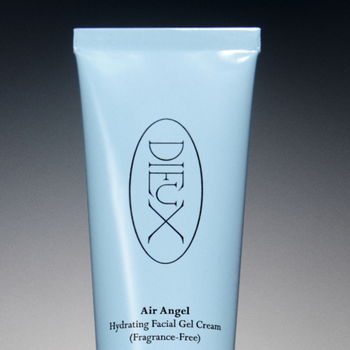
At Dieux, we want you to feel good about the products you purchase. We’re committed to making Better Trash™ by creating top-notch, efficacious formulas, using recycled aluminum and less plastic where possible. If we’re being honest, we won’t be able to fully eliminate plastic from every product or from our future pipeline. (Certain active ingredients aren’t as stable in aluminum as they are in plastic.)
We aren’t perfect, but we aim to do better, where and when we can. So, instead of ignoring the impact plastic has on our environment, we’re taking steps to address it while continuing to evaluate how we can evolve.
Through our partnership with rePurpose Global, we’re proud to announce that Dieux is officially Certified Plastic Negative. Ahead, we explain exactly what “plastic negative” means, the impact this partnership will have, and more.
What Does Plastic Negative Mean?
Plastic negative simply means removing more plastic from the environment than you produce, resulting in a net positive plastic impact overall. In our case, this means that for every pound of plastic used in our packaging, we are committed to recovering at least four times as much plastic waste from nature. Every piece of plastic recovered is one that wouldn’t have been removed or recovered from our ecosystem, had it not been for our joint efforts with rePurpose Global.
By the way, plastic negative isn’t just a brand claim to slap on marketing materials. It’s a certified, verified commitment with measurable outcomes. rePurpose Global uses reTrace™ technology to record, upload, and verify every pound of plastic waste that is recovered. The data is also third-party verified, ensuring its accuracy.
Plastic Neutral vs. Plastic Negative: What's the Difference?
Plastic neutral means that you’re breaking even; you remove the same amount of plastic waste from the environment as you produce, so the net impact is zero. Plastic negative takes things a step further—it means you remove more plastic waste than you produce.
In order to be certified plastic negative, a brand has to recover at least two times the amount of plastic as they produce. We’re committed to recovering four times the plastic we use in our packaging, which puts us way past that benchmark. We still use a bit of plastic in our caps, pumps, and where it’s necessary to keep our formulas safe and strong, but becoming certified plastic negative means we can have a net-positive plastic impact on our environment and still make a real difference.
What Is rePurpose Global?
rePurpose Global is a plastic action platform that helps companies tackle the plastic waste crisis head-on. They work with over 250 brands to measure their packaging footprints and fund verified plastic recovery projects around the world. These projects are focused primarily on recovering low-value, flexible plastics that are hard to recycle like plastic straws, bags, and wrappers.
The projects—called impact projects—employ trained workers who carefully sort collected waste into specific categories to ensure that everything possible gets recycled. Altogether, rePurpose Global has already recovered over 100 million pounds of plastic globally.
Where Your Impact Goes: Project Hara Kal
Our impact project is called Project Hara Kal. It’s a women-first project in Kerala, India, focused on preventing low-value, multilayer plastic waste from reaching the ocean.
This location was chosen because of the immense need and significant social impact. The amount of litter along Kerala’s coastline is three times the global average. 95% of low-value, soft plastics are either burned or dumped in Kerala. Also, only 21% of women there are employed, and the state has the highest gender pay gap in India.
Through collaboration with local women’s self-help groups, Project Hara Kal provides jobs to women while tackling the plastic waste crisis. This project employs over 800 women for waste collection and leadership roles.
Frequently Asked Questions
Does this mean Dieux is plastic-free?
No. Some formulas still require plastic packaging for stability and efficacy, and we still use plastic for our product caps and pumps. We’re plastic negative, which means that for every pound of plastic we produce, we’re committed to recovering four times that amount from ocean-bound waste. Because we’re removing more plastic from the environment than we produce, our net impact is significantly positive.
What is ocean-bound plastic?
It’s plastic waste that’s at risk of entering the ocean. It’s usually found within 30 miles of a coastline, in an area with insufficient waste management. Recovering this type of plastic before it reaches the ocean helps prevent pollution.
What is mismanaged plastic?
Mismanaged plastic is plastic waste that isn’t collected, sorted, or processed through a formal waste management system. This puts it at a higher risk of ending up in the environment instead of being properly disposed of or recycled. Plastic waste that’s dumped or burned is also considered mismanaged plastic.
How is the plastic recovery verified?
Plastic recovery is verified through rePurpose Global's reTrace™ technology, which records, uploads, and verifies every pound of plastic waste that is recovered. This data is independently audited by Control Union, further confirming its accuracy. Also, Project Hara Kal is listed on the Verra Registry, a public database and tracking platform for environmental projects.
Does every Dieux purchase contribute?
Yes. Because every Dieux product is Certified Plastic Negative, every purchase funds plastic recovery through Project Hara Kal.
The Bottom Line: Better > Perfect
Plastic-free isn't always possible, but being more responsible with the materials we use absolutely is. This isn't a finish line; it's part of an ongoing commitment. Whether it’s partnering with rePurpose Global to address our plastic footprint or transitioning more of our packaging to aluminum, we’re determined to do better where we can.
As always, you’re Dieux-ing great.
Similar Posts
-

School is back in session. To stay engaged and curious, children’s basic needs have to be met.
-

Ceramides do more than just hydrate your skin. Discover the truth behind the hype for this popular skincare ingredient.
-

Everything you need to know about retinoids—the different types, their benefits, how they work, and how to use them in your routine.


